
Redesigning Family Health Data System
Introduction
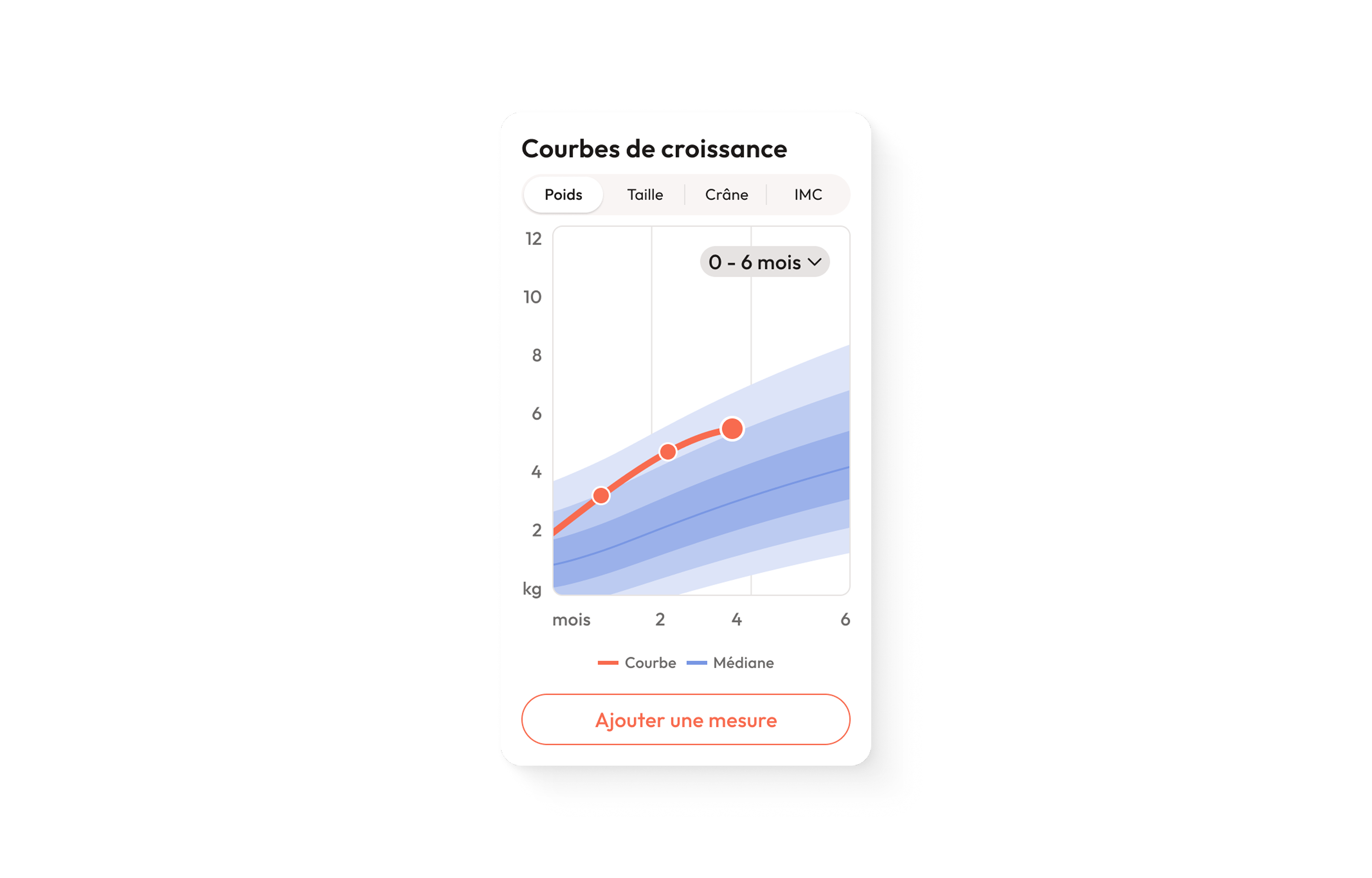
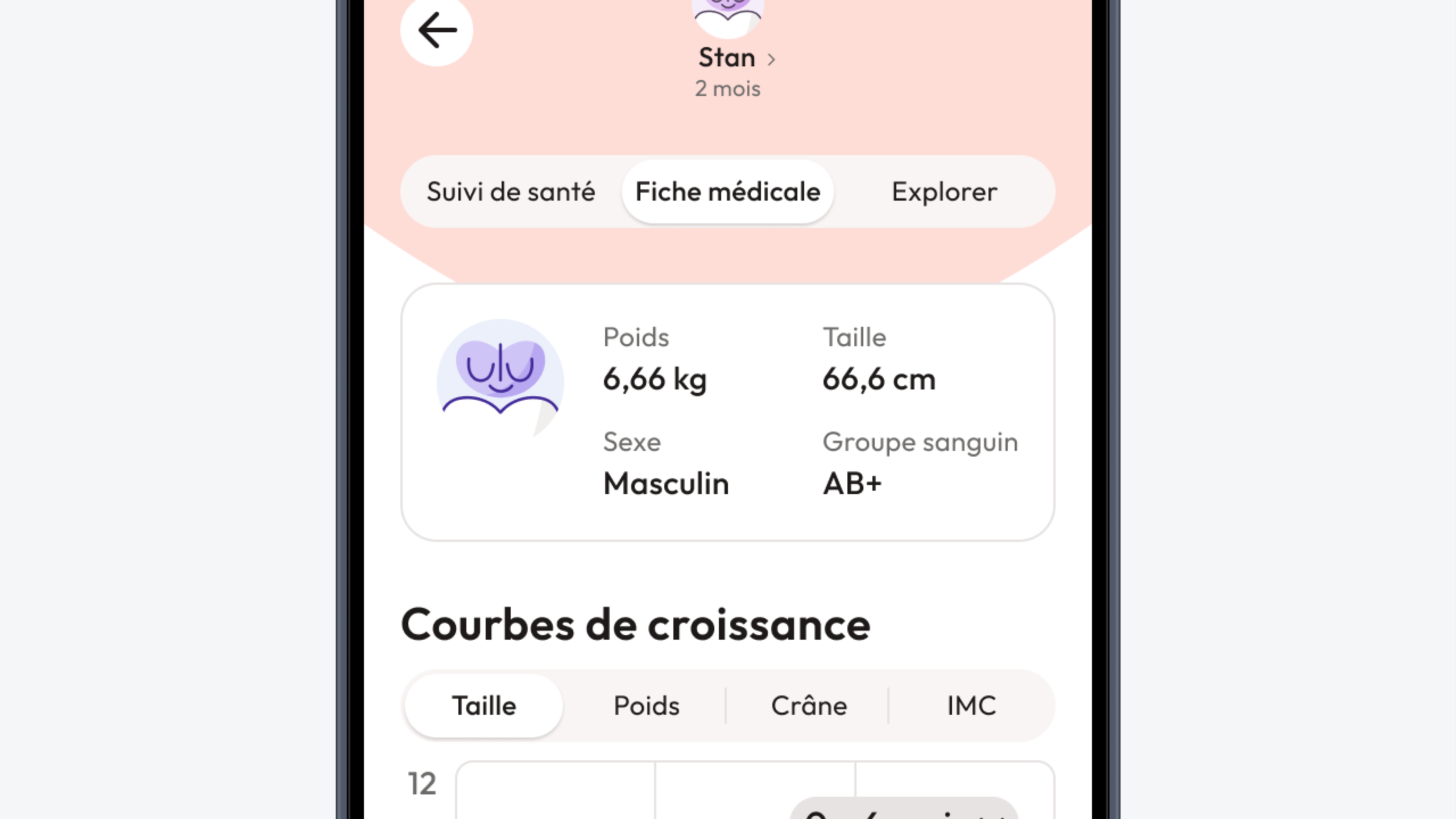
Led the end-to-end overhaul of Heloa’s health booklet system, acting as a Product Manager and Product Designer (Hybrid Role). The project required designing a consumer-facing app and an internal operational tool, showcasing systems-thinking and deep collaboration with engineering on data complexity.
Problem Statement
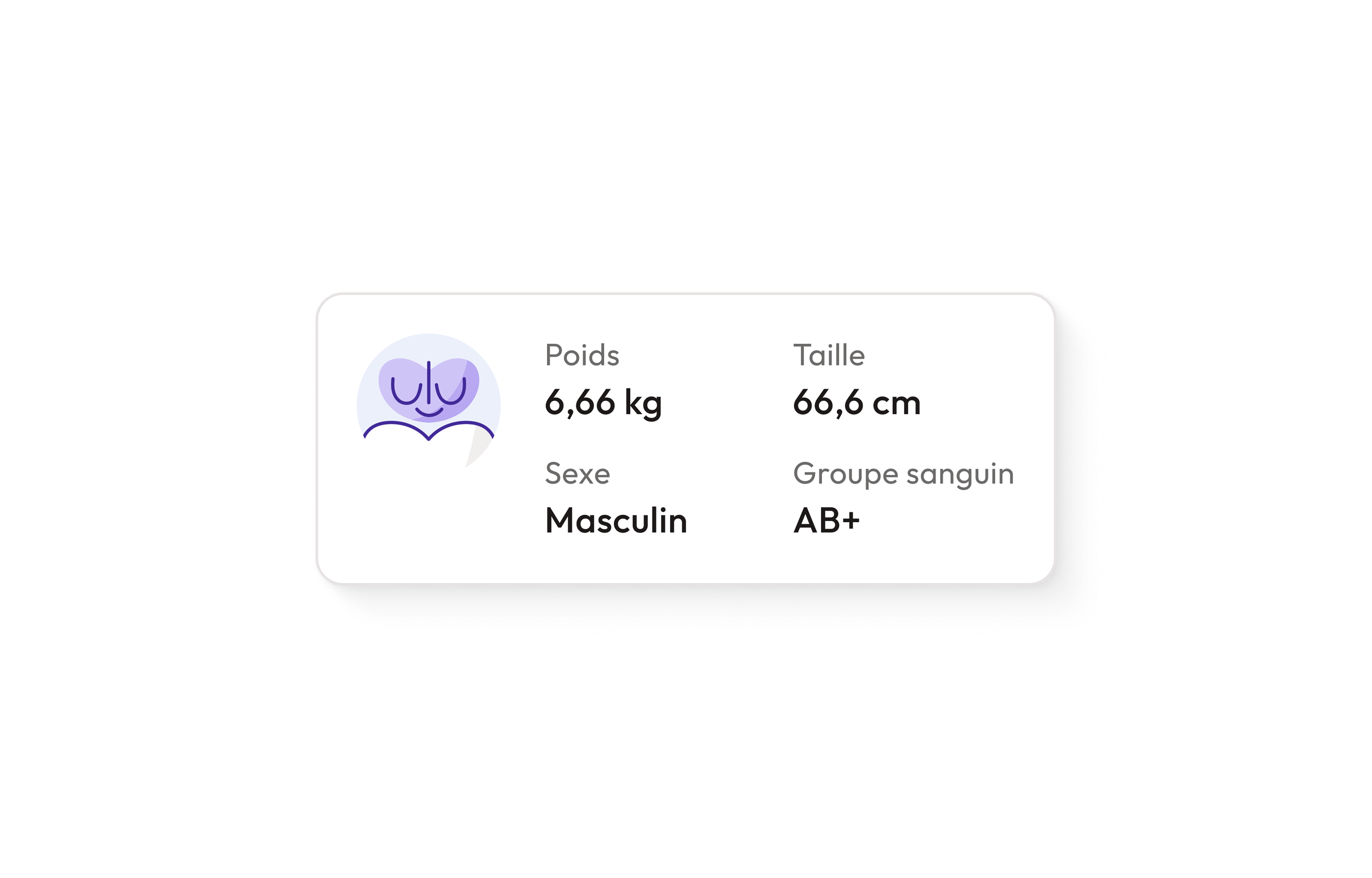
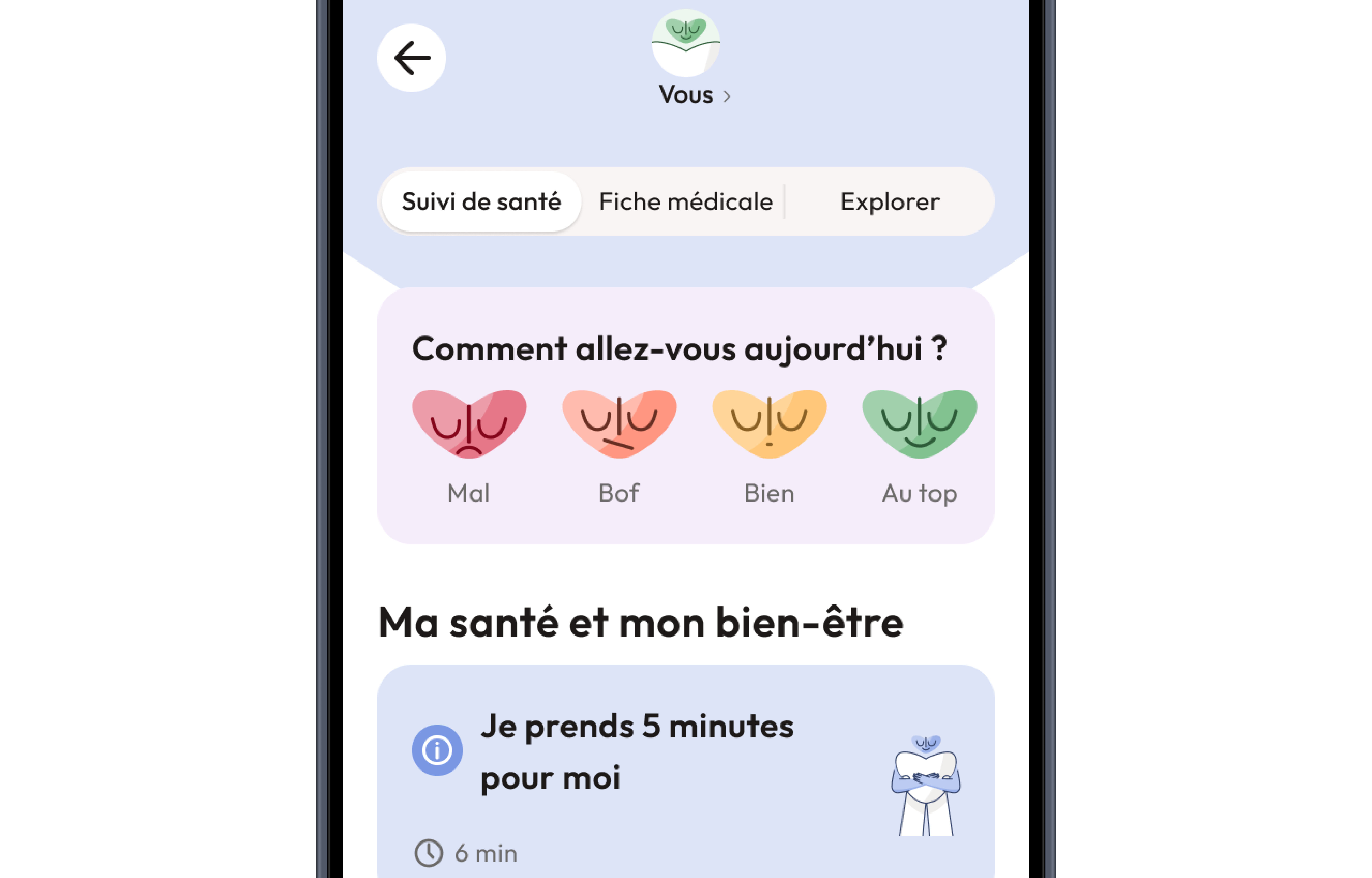
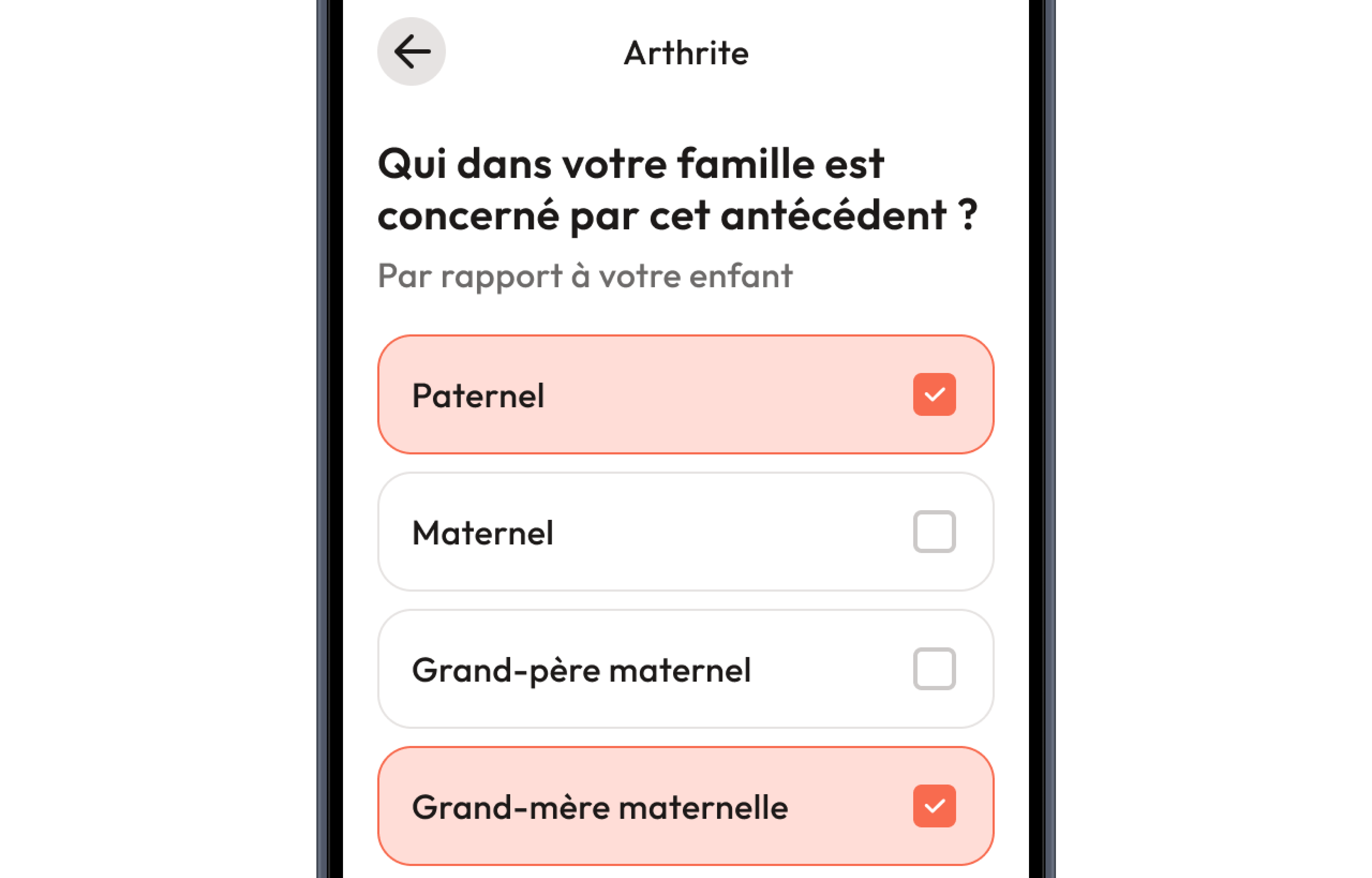
The existing child health log was obsolete, resulting in user drop-off and data entry errors. The primary challenge was to design a unified, scalable system to handle dense, sensitive, multi-user data by merging the old child log with a newly introduced parent health record.
Role & Contribution
Defined the product UI and UX, established core success metrics, and conceived the specs for the entire health tracking feature.
Participated in design system library to manage the variability of medical inputs, ensuring design-code parity across both consumer and internal tools.
Led the UX for the in-house back-end data management system, allowing stakeholders to manage and publish medical content to the live app via a single, automated workflow.
Separately contributed to a lift by 36 in B2C premium conversion.
Design Process
Defined key engagement events. Used qualitative research to validate flows and data needs, avoiding cognitive overload in complex data displays.
Collaborated directly with senior engineers to co-define API requirements and data models for synchronous updates.
Delivered detailed specifications for the internal and external interfaces.
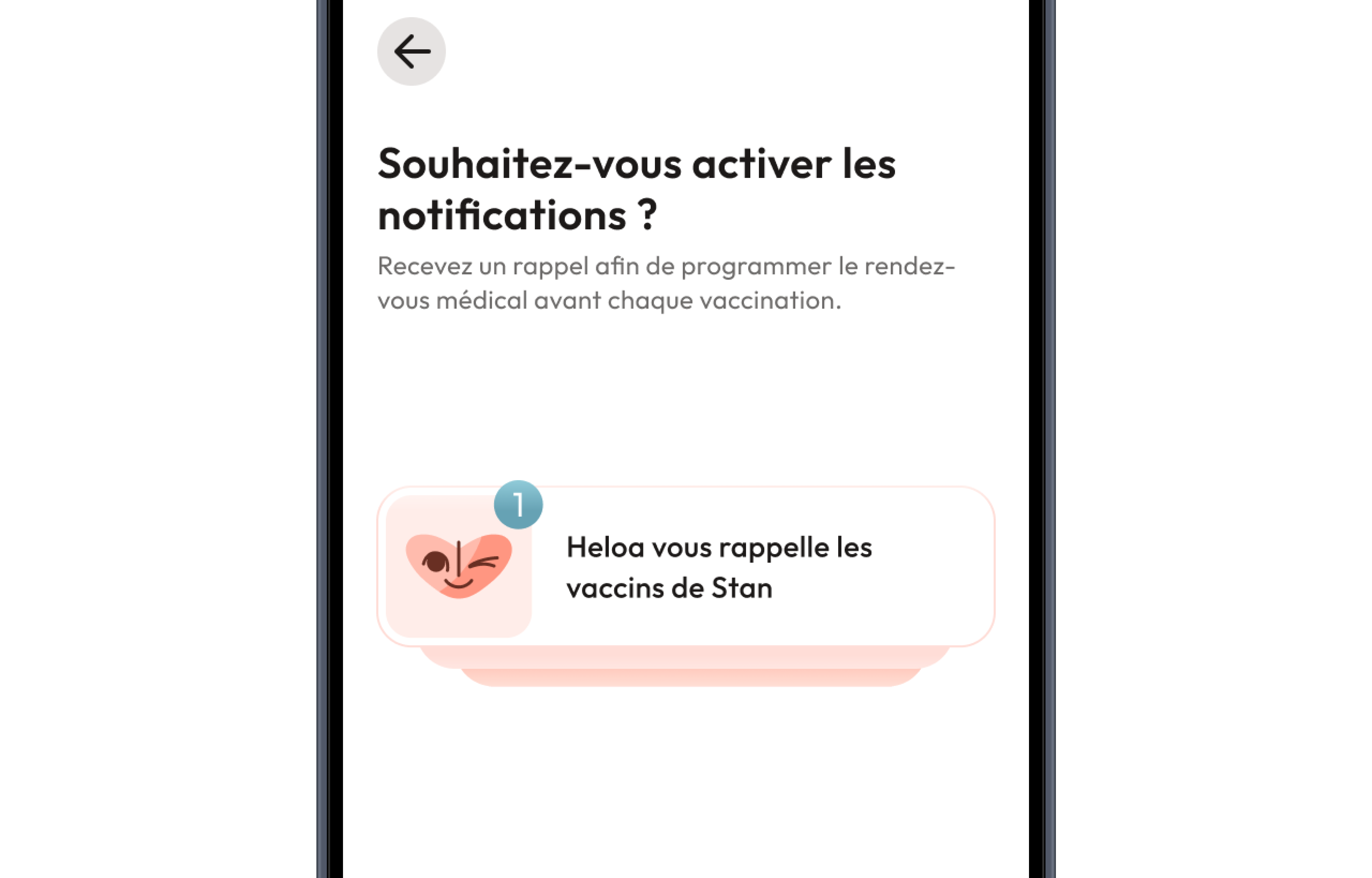
Proactively designed error, and empty states to manage potential API latency and ensure data reliability across both the consumer app and the internal management tool.
Learnings & Reflections
The key learning was that system success relies not just on front-end aesthetics, but on designing for technical constraints (like data integrity and latency) and managing the complexity of internal automation tools.